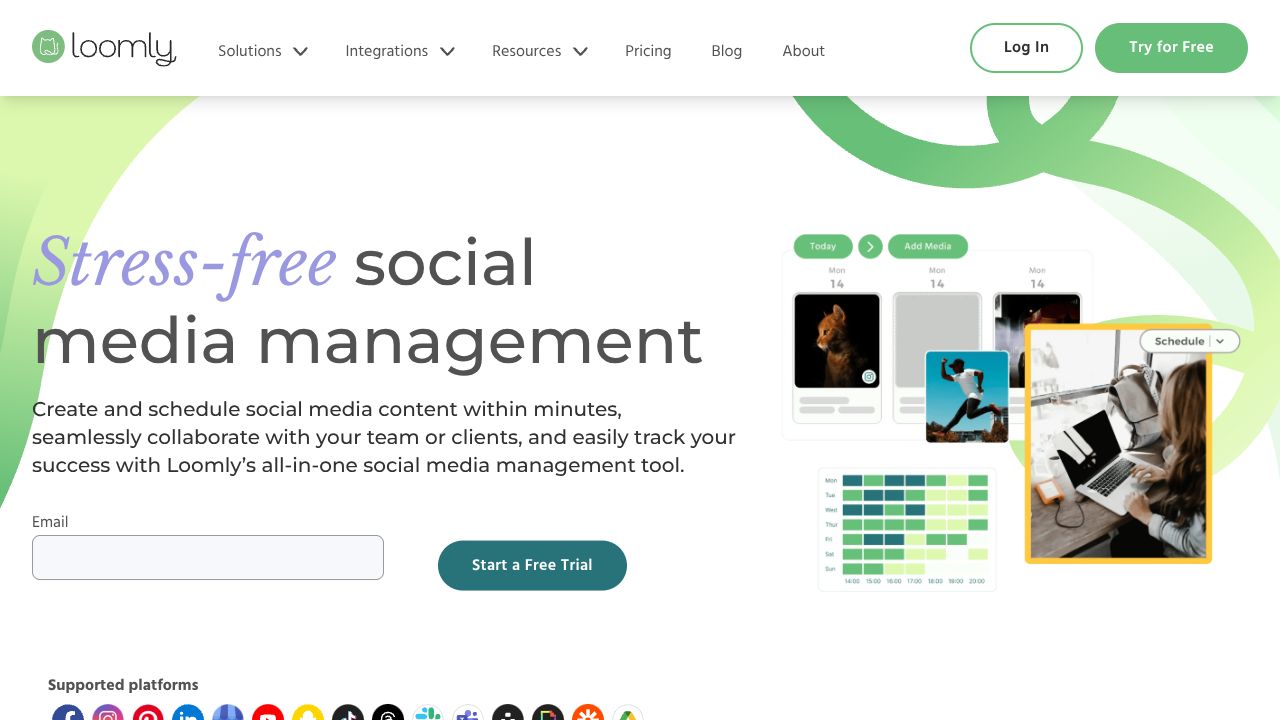
Inside the Content Engine: How Loomly Scales Multi-Channel Growth
The Unlikely Hero of Marketing Collaboration: Loomly's Technical Advantage
Most marketing teams struggle with collaboration, and the tools they use often exacerbate the problem. But Loomly is different. By combining a robust feature set with a focus on team collaboration, Loomly has created a platform that actually streamlines marketing workflows. Under the hood, Loomly's core technology stack is built on a microservices architecture, allowing for greater scalability and flexibility. This design philosophy is evident in the platform's intuitive user interface, which prioritizes ease of use without sacrificing functionality.
Architecture & Design Principles
Loomly's architecture is built around a modular, service-oriented design. This approach enables the platform to handle a high volume of users and data, while also allowing for seamless integration with third-party services. The use of containerization and orchestration tools like Docker and Kubernetes ensures that Loomly can scale efficiently, even in the face of rapid growth. This technical foundation has allowed Loomly to build a robust feature set that meets the needs of marketing teams.
Feature Breakdown
→ Core Capabilities
- ├─Approval Workflows: Loomly's approval workflows are designed to streamline the content review process, allowing teams to collaborate more efficiently. By automating the approval process, Loomly reduces the risk of human error and ensures that all stakeholders are on the same page.
- ├─Best-Time-to-Post Suggestions: Loomly's algorithm-driven suggestions for optimal posting windows help teams maximize their reach and engagement. This feature is particularly useful for teams with limited resources, as it helps them make the most of their content.
- ├─Hashtag Manager: Loomly's hashtag manager allows teams to research, organize, and track their hashtags in one place. This feature is a game-changer for teams that rely heavily on social media marketing.
→ Integration Ecosystem
Loomly's integration ecosystem is built around a robust API, which allows teams to connect their favorite tools and services. With support for webhooks and third-party connections, Loomly can integrate seamlessly with a wide range of platforms, including Bitrix24 and Planable.
→ Security & Compliance
Loomly takes security and compliance seriously, with a range of features designed to protect user data. The platform is built on a secure, enterprise-grade infrastructure, and all data is encrypted in transit and at rest. Loomly is also compliant with major industry standards, including GDPR and HIPAA.
Performance Considerations
Loomly's performance is optimized for speed and reliability, with a focus on delivering a seamless user experience. The platform's architecture is designed to handle a high volume of users and data, ensuring that teams can work efficiently even under heavy loads.
How It Compares Technically
While Endlesss excels at collaborative music-making, Loomly is better suited for marketing teams that need a robust collaboration platform. Planable offers a similar feature set, but Loomly's focus on approval workflows and best-time-to-post suggestions sets it apart. Bitrix24 offers a more comprehensive suite of tools, but Loomly's ease of use and scalability make it a more attractive option for smaller teams.
Developer Experience
Loomly's developer experience is top-notch, with a comprehensive API documentation and a range of SDKs for popular programming languages. The platform's community support is also excellent, with a dedicated forum and regular updates from the development team.
Technical Verdict
Loomly's technical advantage lies in its focus on collaboration and scalability. While it may not offer the same level of comprehensiveness as Bitrix24, Loomly's ease of use and robust feature set make it an attractive option for marketing teams. With its modular architecture and focus on security and compliance, Loomly is well-suited for teams of all sizes.